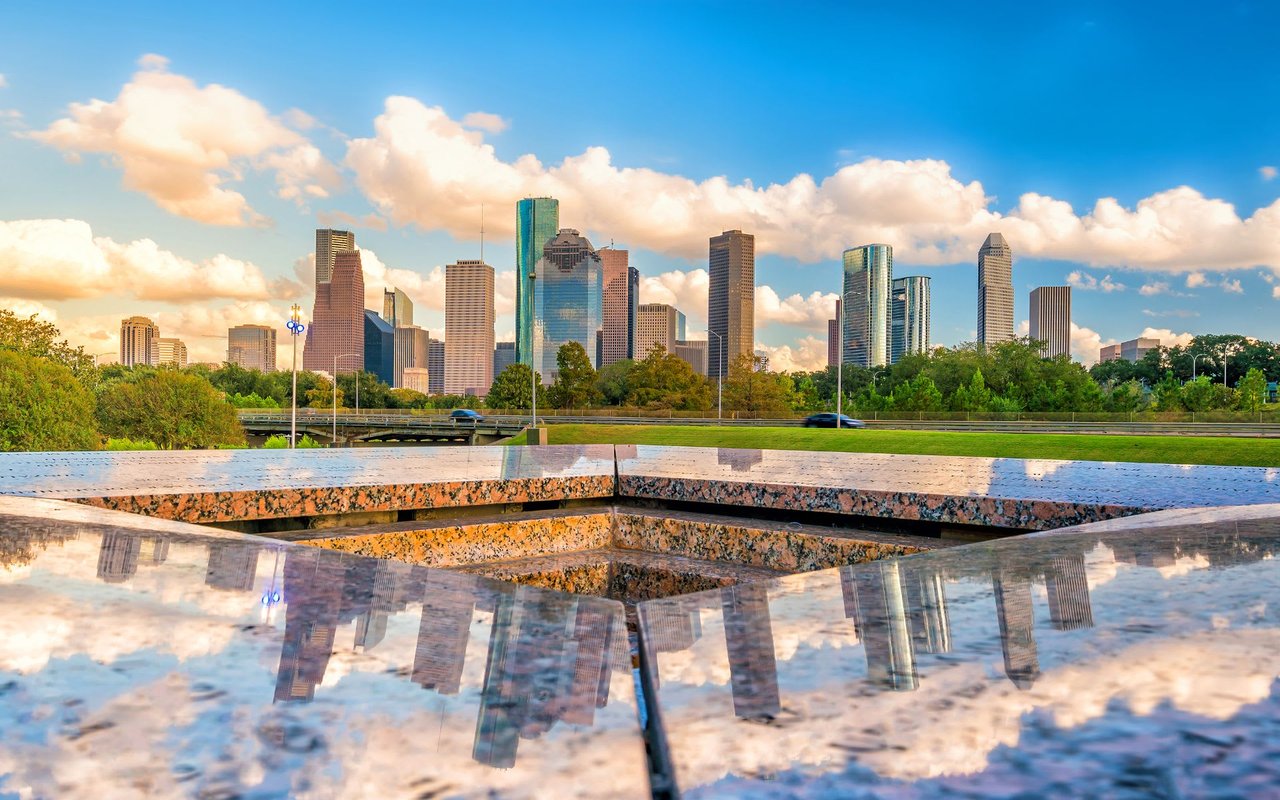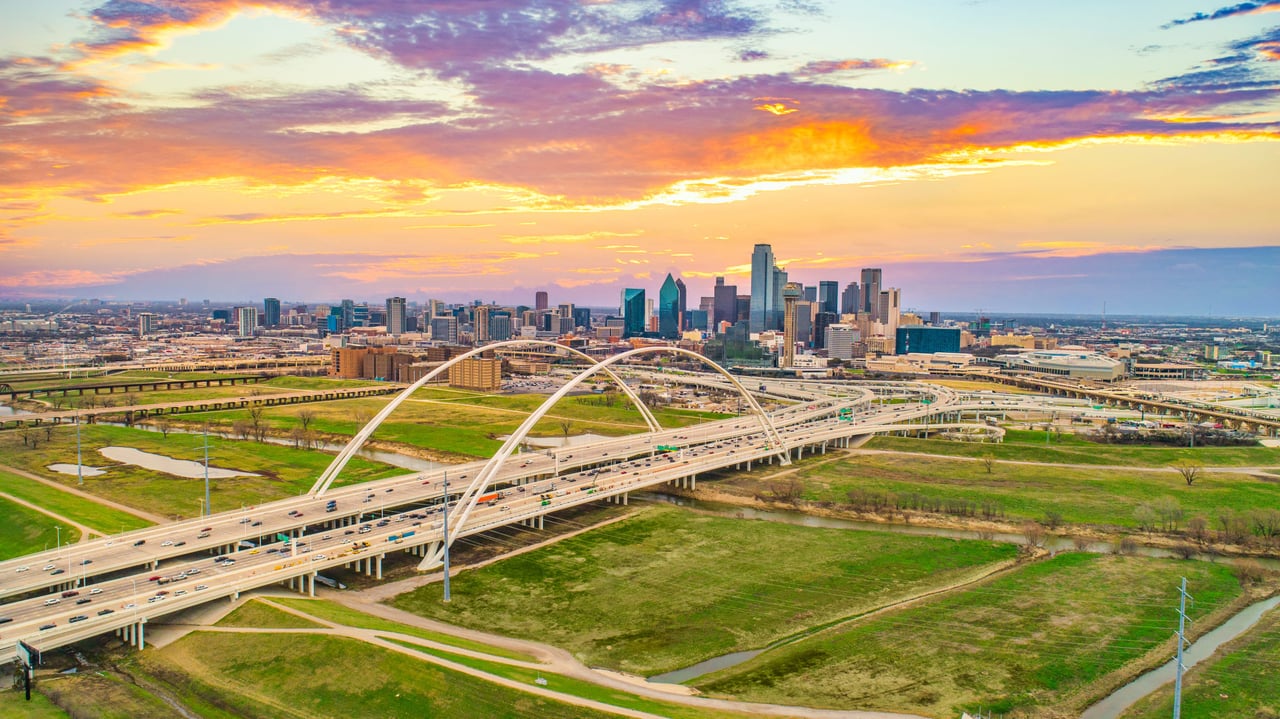
Dallas is a dynamic, fast-growing metropolitan city known for its strong economy, diverse neighborhoods, cultural depth and exceptional quality of life. As a major business hub in the southern United States, Dallas offers a unique blend of urban sophistication, suburban comfort and Texas hospitality. With thriving job markets, top-tier dining, professional sports, arts districts and a wide range of housing options, Dallas attracts families, professionals, entrepreneurs and relocators from across the country.
Dallas stands out for its opportunity, lifestyle variety and accessibility.
Residents love:
A strong and diverse economy with major corporate headquarters
No state income tax
Distinct neighborhoods offering very different lifestyles
World-class dining, shopping and entertainment
Professional sports teams across all major leagues
A growing arts and cultural scene
Easy access to two major airports
Dallas offers scale, convenience and opportunity in every direction.
Life in Dallas is energetic, diverse and highly customizable. Residents can enjoy high-rise urban living, walkable historic districts, master-planned suburbs or luxury estate neighborhoods all within the same metro. Daily life often includes commuting to corporate campuses, remote work, fitness studios, dining out and weekend social activities.
Dallas balances ambition with comfort, offering a lifestyle that supports both career growth and personal enjoyment.
Urban-Suburban Hybrid Living best defines Dallas. The city combines a dense urban core with expansive residential neighborhoods and nearby suburbs.
Lifestyle highlights include:
Downtown, Uptown and Victory Park high-rise living
Walkable districts like Bishop Arts and Knox-Henderson
Spacious single-family neighborhoods minutes from urban centers
A car-friendly layout with improving transit options
Parks, trails and outdoor recreation integrated into the city
Strong neighborhood identity across districts
Dallas offers flexibility to match nearly any lifestyle preference.
Dallas provides a vast range of entertainment, culture and recreation.
Popular attractions include:
Arts District – museums, symphony, opera and performing arts
Dallas Arboretum and Botanical Garden – seasonal displays and lake views
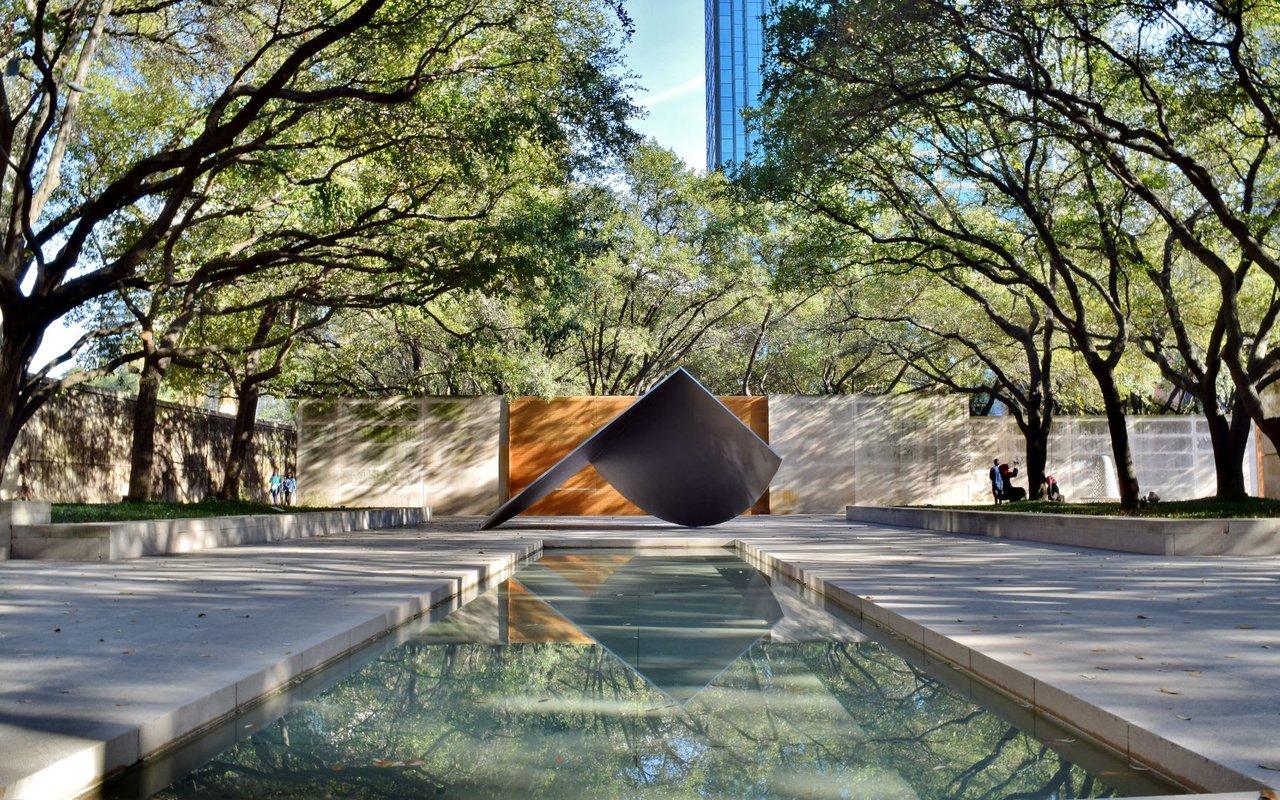
Klyde Warren Park – urban green space over Woodall Rodgers Freeway
Deep Ellum – live music, nightlife and street art
Bishop Arts District – boutique shopping and dining
White Rock Lake – biking, running, kayaking and picnics
Professional sports venues for the Cowboys, Mavericks, Stars and Rangers
Dallas offers nonstop options for every interest.
Dallas is served by multiple public school districts and a wide range of private education options.
School highlights include:
Dallas ISD with magnet, charter and choice programs
Highly regarded suburban districts nearby including Highland Park ISD and Plano ISD
Numerous private and preparatory schools
Strong higher education presence including SMU and UT Dallas
Access to specialized STEM, arts and international programs
Education options are broad and adaptable to many family needs.
Dallas began as a trading post in the 1840s and grew rapidly with the expansion of railroads, oil and commerce. Today, it reflects a blend of historic roots and modern global influence.
Cultural characteristics include:
A deep connection to Texas heritage and business leadership
A thriving arts scene supported by one of the largest urban arts districts in the country
Architectural diversity from historic neighborhoods to modern skyscrapers
Strong culinary identity blending Texas, Southern and international influences
A culture that values innovation, hospitality and growth
Dallas continues to evolve while honoring its history.
Dallas offers one of the most diverse housing markets in the country.
Common home types include:
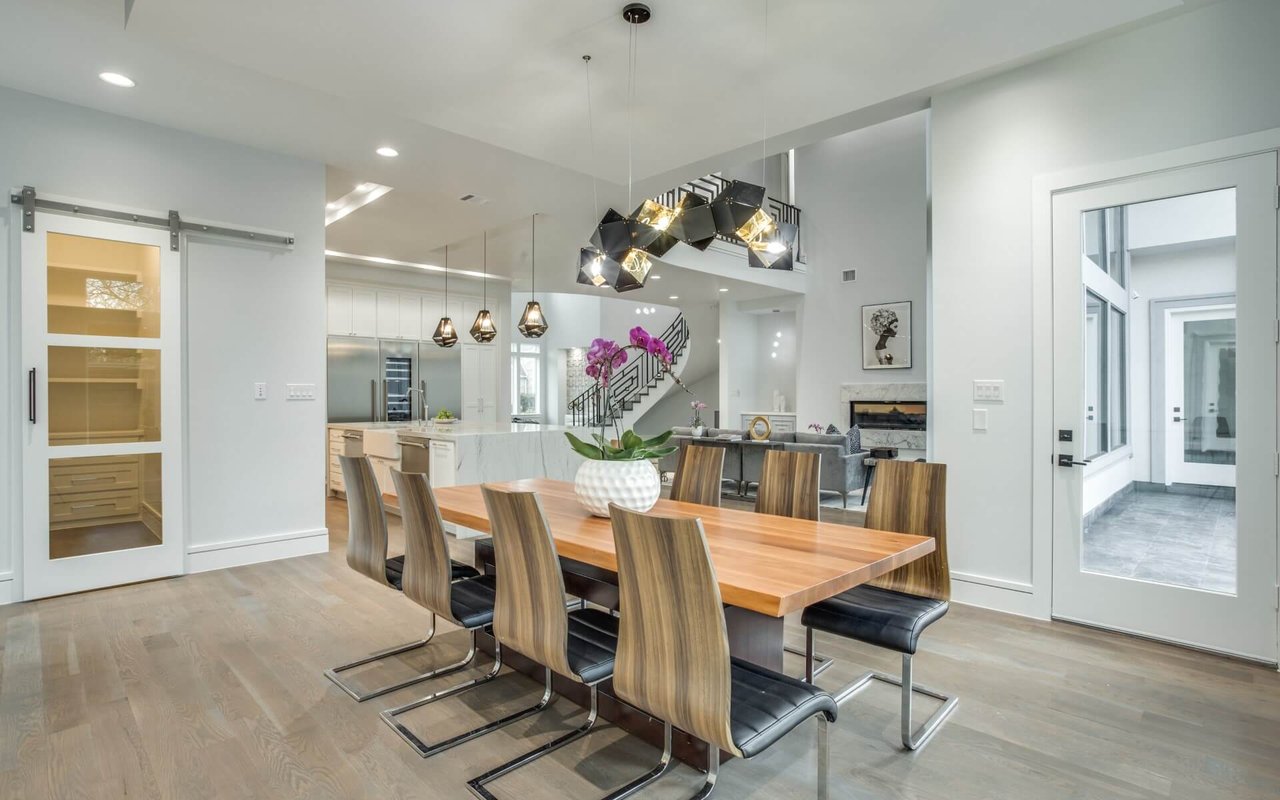
Modern high-rise condos and apartments
Historic homes in established neighborhoods
Luxury estates in gated or private communities
Mid-century and ranch-style homes
New construction in expanding districts
Townhomes and duplexes in walkable areas
Homes range widely in size, style and price point.
Dallas has one of the most active real estate markets in the United States.
Current trends include:
Strong population growth driving housing demand
Continued new construction across the metro
Competitive pricing in desirable central neighborhoods
Strong interest from relocating buyers
Long-term appreciation supported by economic expansion
Dallas remains a resilient and opportunity-rich housing market.
Dallas includes many well-known and highly sought-after neighborhoods.
Notable areas include:
Uptown – walkability, nightlife and modern living
Highland Park & University Park – luxury homes and top schools
Lakewood – charm and proximity to White Rock Lake
Bishop Arts District – creative energy and historic homes
Preston Hollow – estate living and privacy
Downtown Dallas – urban lofts and cultural access
Each neighborhood offers a distinct lifestyle and identity.
Dallas’ strong economy, population growth and diverse housing options create consistent real estate demand. Buyers often focus on location, commute convenience and long-term value, while sellers benefit from broad buyer interest and ongoing development.
Understanding neighborhood dynamics, pricing trends and future growth areas is essential for successful real estate decisions in Dallas, Texas.
287,339 people live in Plano, where the median age is 39.3 and the average individual income is $57,753. Data provided by the U.S. Census Bureau.
Total Population
Median Age
Population Density Population Density This is the number of people per square mile in a neighborhood.
Average individual Income
There's plenty to do around Plano, including shopping, dining, nightlife, parks, and more. Data provided by Walk Score and Yelp.
Explore popular things to do in the area, including Bernie's Donuts, Custer Park, and Legacy Drive Village.
| Name | Category | Distance | Reviews |
Ratings by
Yelp
|
|---|---|---|---|---|
| Dining | 1.2 miles | 0 reviews | 0/5 stars | |
| Shopping | 1.11 miles | 0 reviews | 0/5 stars | |
| Shopping | 1.54 miles | 0 reviews | 0/5 stars | |
| Active | 0.32 miles | 0 reviews | 0/5 stars | |
| Active | 1.05 miles | 0 reviews | 0/5 stars | |
| Active | 1.05 miles | 2 reviews | 5/5 stars | |
| Active | 1.13 miles | 0 reviews | 0/5 stars | |
| Active | 1.14 miles | 0 reviews | 0/5 stars | |
| Active | 1.45 miles | 12 reviews | 1.9/5 stars | |
| Beauty | 0.46 miles | 0 reviews | 0/5 stars | |
| Beauty | 0.46 miles | 1 review | 5/5 stars | |
| Beauty | 0.59 miles | 0 reviews | 0/5 stars | |
| Beauty | 0.59 miles | 0 reviews | 0/5 stars | |
| Beauty | 0.6 miles | 0 reviews | 0/5 stars | |
| Beauty | 0.76 miles | 1 review | 5/5 stars | |
| Beauty | 0.9 miles | 0 reviews | 0/5 stars | |
| Beauty | 0.9 miles | 0 reviews | 0/5 stars | |
| Beauty | 1.04 miles | 0 reviews | 0/5 stars | |
| Beauty | 1.09 miles | 0 reviews | 0/5 stars | |
| Beauty | 1.09 miles | 0 reviews | 0/5 stars | |
| Beauty | 1.13 miles | 0 reviews | 0/5 stars | |
| Beauty | 1.27 miles | 0 reviews | 0/5 stars | |
| Beauty | 1.42 miles | 10 reviews | 3.6/5 stars | |
| Beauty | 1.59 miles | 0 reviews | 0/5 stars | |
|
|
||||
|
|
||||
|
|
||||
|
|
||||
|
|
||||
|
|
Plano has 110,522 households, with an average household size of 2.59. Data provided by the U.S. Census Bureau. Here’s what the people living in Plano do for work — and how long it takes them to get there. Data provided by the U.S. Census Bureau. 287,339 people call Plano home. The population density is 4,008 and the largest age group is Data provided by the U.S. Census Bureau.
Total Population
Population Density Population Density This is the number of people per square mile in a neighborhood.
Median Age
Men vs Women
Population by Age Group
0-9 Years
10-17 Years
18-24 Years
25-64 Years
65-74 Years
75+ Years
Education Level
Total Households
Average Household Size
Average individual Income
Households with Children
With Children:
Without Children:
Marital Status
Blue vs White Collar Workers
Blue Collar:
White Collar:
Get In Touch With Our Team To Learn More
508 Centennial Blvd #102 Richardson TX 75081