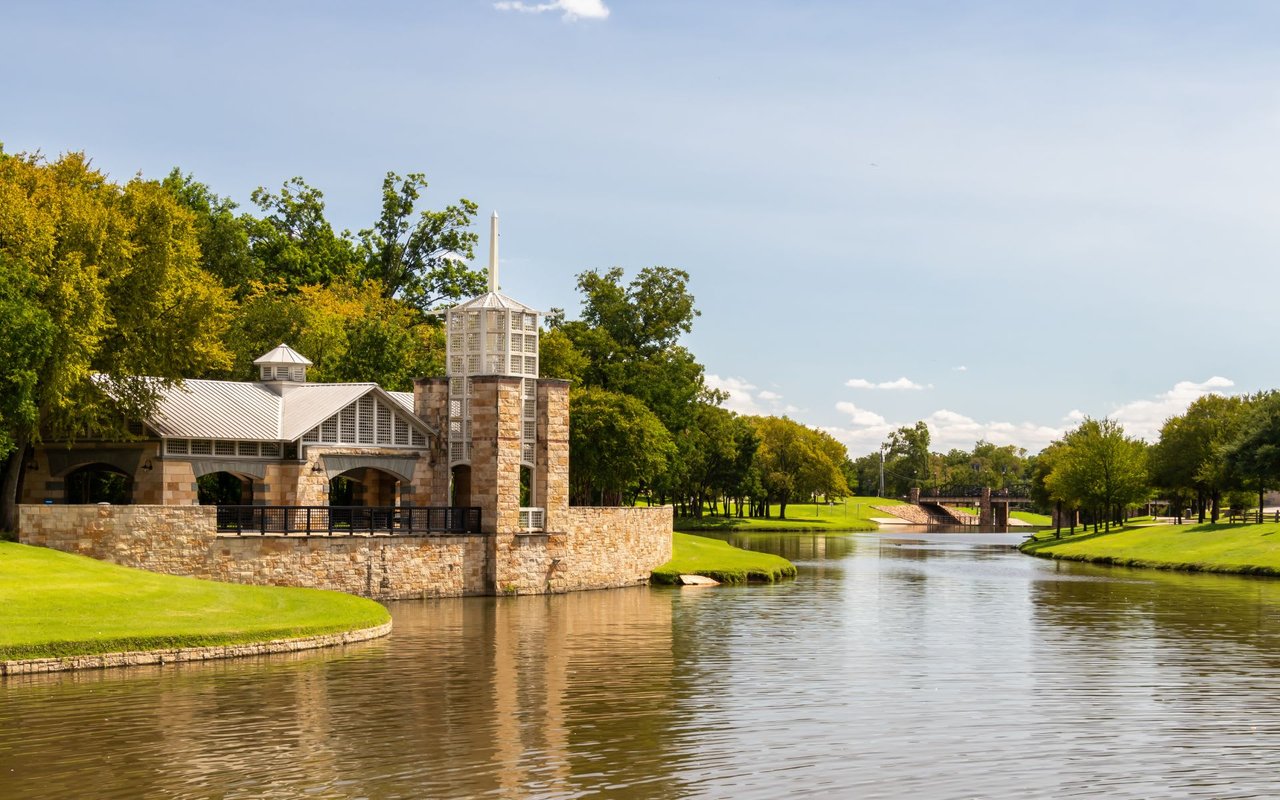
Irving is a centrally located, economically powerful city in the heart of the Dallas–Fort Worth Metroplex. Known for its strong corporate presence, diverse neighborhoods, excellent transportation access and growing cultural scene, Irving offers a highly connected lifestyle with wide-ranging housing options. With proximity to both Dallas and Fort Worth, major employment centers and one of the busiest airports in the world, Irving appeals to professionals, families and relocators seeking convenience, opportunity and long-term stability.
Irving stands out for its location, infrastructure and economic strength.
Residents love:
Central position between Dallas and Fort Worth
Proximity to DFW International Airport
Major corporate campuses and employment hubs
Diverse neighborhoods with varied housing styles
Access to highways, toll roads and public transit
Growing dining, entertainment and cultural offerings
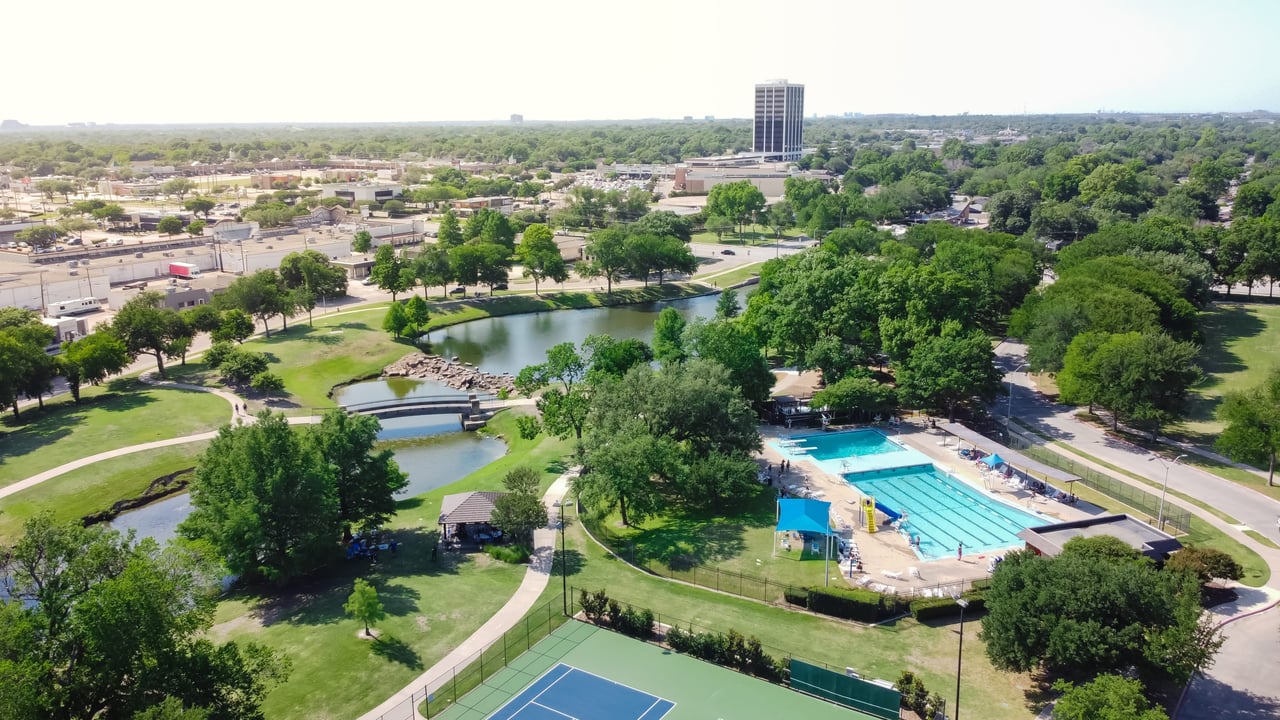
Strong parks system and recreational amenities
Irving delivers connectivity, career opportunity and everyday convenience.
Life in Irving is dynamic, practical and highly accessible. Residents benefit from short commutes, nearby business districts and a wide range of dining and retail options. Daily routines often involve working in or near the city, enjoying neighborhood parks, attending community events or spending time along nearby lakes and trails.
The lifestyle suits professionals, families and frequent travelers who value efficiency and access without sacrificing residential comfort.
Corporate-Centered Urban Living best defines Irving’s lifestyle. The city is home to major global companies while maintaining established residential neighborhoods and newer mixed-use developments.
Lifestyle highlights include:
Employment centers in Las Colinas and the Urban Center
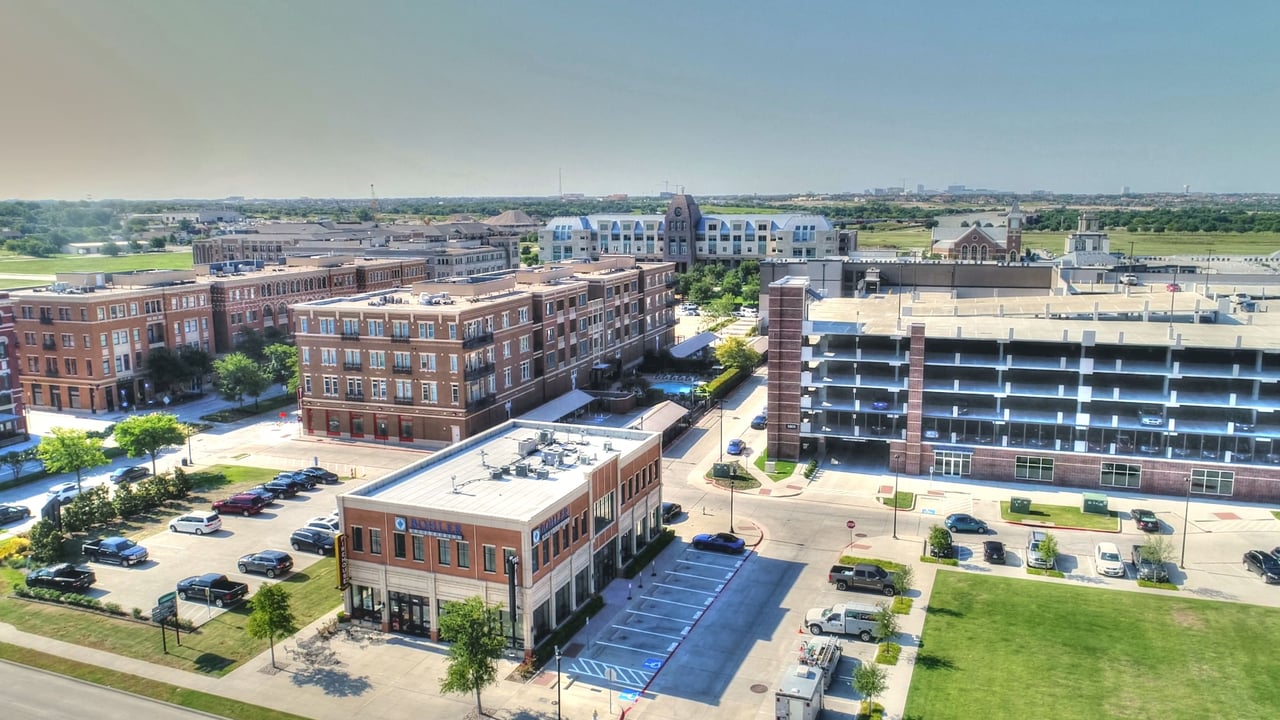
Walkable mixed-use districts with offices, dining and entertainment
Easy access to DART Rail and the TRE commuter line
Central location for regional commuting
A strong international community shaped by global business
Irving balances professional life with livable neighborhoods.
Irving offers a mix of recreation, culture and entertainment.
Popular attractions include:
Las Colinas Urban Center – dining, offices, events and walkability
Mandalay Canal Walk – scenic paths, gondola rides and waterfront dining
Toyota Music Factory – concerts, restaurants and nightlife
Lake Carolyn & Campion Trails – walking, biking and outdoor recreation
Irving Arts Center – exhibitions, performances and classes
Victoria Park & Northwest Park – sports fields and community spaces
Easy access to Dallas and Fort Worth attractions
Irving provides entertainment and recreation close to home.
Irving is served primarily by Irving Independent School District, with some areas also zoned to Coppell ISD and Carrollton-Farmers Branch ISD.
School highlights include:
A range of public elementary, middle and high schools
Magnet and specialty programs within Irving ISD
Proximity to highly rated Coppell ISD schools in select neighborhoods
Access to private and charter school options
Convenient access to higher education institutions nearby
Education options vary by neighborhood, offering flexibility for families.
Founded in the early 1900s, Irving grew rapidly with the expansion of railroads, highways and later DFW International Airport. Over time, it has developed into a major corporate and residential center within North Texas.
Cultural characteristics include:
A diverse population representing many cultures and backgrounds
A growing arts scene anchored by the Irving Arts Center
Community festivals and city-wide events
A blend of long-standing neighborhoods and modern development
Strong civic investment in infrastructure and growth
Irving reflects both its historic roots and its modern global identity.
Irving offers a wide variety of housing options across price points and lifestyles.
Common home types include:
Single-family homes in established neighborhoods
Townhomes and condos in Las Colinas
Luxury residences with canal or lake views
Gated communities and golf course homes
Mid-century and ranch-style homes
Newer construction in mixed-use developments
Housing options range from affordable starter homes to upscale urban living.
Irving’s housing market remains active due to its central location and employment base.
Current trends include:
Strong demand in Las Colinas and transit-accessible areas
Continued interest from relocating professionals
Stable pricing supported by corporate growth
Increased demand for townhomes and low-maintenance living
Ongoing residential development near mixed-use centers
Irving continues to be a resilient and opportunity-driven market.
Irving includes several well-known residential and mixed-use areas.
Notable neighborhoods include:
Las Colinas – master-planned living with offices, lakes and entertainment
Valley Ranch – established homes and canal access
University Hills – quiet streets near parks and schools
Northwest Irving – proximity to DFW Airport and major highways
Hackberry Creek – gated community with golf course amenities
Downtown Irving / Heritage District – historic charm and redevelopment
Each area offers a distinct living experience.
Irving’s central location, strong employment base and transportation access create steady real estate demand. Buyers often prioritise commute efficiency, neighborhood amenities and long-term value, while sellers benefit from a diverse buyer pool and consistent interest.
Understanding neighborhood zoning, school boundaries and proximity to employment centers is key to successful real estate decisions in Irving, Texas.
255,036 people live in Irving, where the median age is 32.8 and the average individual income is $39,462. Data provided by the U.S. Census Bureau.
Total Population
Median Age
Population Density Population Density This is the number of people per square mile in a neighborhood.
Average individual Income
There's plenty to do around Irving, including shopping, dining, nightlife, parks, and more. Data provided by Walk Score and Yelp.
Explore popular things to do in the area, including One Stop Market, Roberson's Smokehouse & Grill, and S&T Boba and Foods To Go.
| Name | Category | Distance | Reviews |
Ratings by
Yelp
|
|---|---|---|---|---|
| Dining · $$$$ | 0.37 miles | 2 reviews | 3/5 stars | |
| Dining | 0.57 miles | 0 reviews | 0/5 stars | |
| Dining | 0.67 miles | 3 reviews | 3.7/5 stars | |
| Dining | 0.77 miles | 46 reviews | 4.9/5 stars | |
| Dining | 1.1 miles | 0 reviews | 0/5 stars | |
| Dining | 1.1 miles | 1 review | 4/5 stars | |
| Dining | 1.14 miles | 5 reviews | 5/5 stars | |
| Dining | 1.17 miles | 1 review | 5/5 stars | |
| Dining · $$ | 1.17 miles | 38 reviews | 2.9/5 stars | |
| Shopping | 0.77 miles | 0 reviews | 0/5 stars | |
| Active | 0.8 miles | 0 reviews | 0/5 stars | |
| Active | 0.83 miles | 0 reviews | 0/5 stars | |
| Nightlife | 0.59 miles | 12 reviews | 3.1/5 stars | |
| Beauty | 0.69 miles | 2 reviews | 4.5/5 stars | |
| Beauty | 0.69 miles | 0 reviews | 0/5 stars | |
| Beauty | 0.7 miles | 0 reviews | 0/5 stars | |
| Beauty | 0.79 miles | 3 reviews | 3.3/5 stars | |
| Beauty | 0.82 miles | 0 reviews | 0/5 stars | |
| Beauty | 1.04 miles | 0 reviews | 0/5 stars | |
| Beauty | 1.08 miles | 0 reviews | 0/5 stars | |
| Beauty | 1.1 miles | 6 reviews | 3.5/5 stars | |
| Beauty | 1.11 miles | 3 reviews | 3.3/5 stars | |
| Beauty | 1.12 miles | 0 reviews | 0/5 stars | |
| Beauty | 1.12 miles | 3 reviews | 3.3/5 stars | |
|
|
||||
|
|
||||
|
|
||||
|
|
||||
|
|
||||
|
|
Irving has 94,252 households, with an average household size of 2.69. Data provided by the U.S. Census Bureau. Here’s what the people living in Irving do for work — and how long it takes them to get there. Data provided by the U.S. Census Bureau. 255,036 people call Irving home. The population density is 3,808 and the largest age group is Data provided by the U.S. Census Bureau.
Total Population
Population Density Population Density This is the number of people per square mile in a neighborhood.
Median Age
Men vs Women
Population by Age Group
0-9 Years
10-17 Years
18-24 Years
25-64 Years
65-74 Years
75+ Years
Education Level
Total Households
Average Household Size
Average individual Income
Households with Children
With Children:
Without Children:
Marital Status
Blue vs White Collar Workers
Blue Collar:
White Collar:
Get In Touch With Our Team To Learn More
508 Centennial Blvd #102 Richardson TX 75081